
Choosing the right non‑prescription diabetic dog food isn’t just about filling a bowl—it’s a vital step in managing your pet’s blood‑sugar levels, maintaining a healthy weight, and preventing painful complications like neuropathy or kidney disease. With countless formulas on the market, it’s easy to feel overwhelmed, especially when you want a product that balances low‑glycemic carbs, high‑quality protein, and essential nutrients without a veterinarian’s prescription. In this post, we’ve sifted through the clutter to spotlight the six best options that deliver steady glucose control, tasty palatability, and peace of mind for owners. Read on to discover which brands make the cut and why they could be the perfect fit for your canine companion.
6 Top Non-Prescription Diabetic Dog Foods You’ll Love
Below you’ll find our carefully vetted selections, each formulated to help manage blood sugar while keeping your canine happy and healthy.
6. Hill’s Prescription Diet i/d Low Fat Wet Dog Food
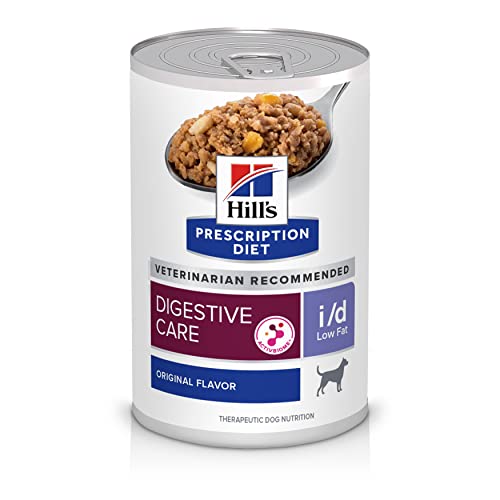
Hill’s Prescription Diet i/d Low Fat Digestive Care Wet Dog Food is a veterinarian‑formulated, therapeutic diet designed to soothe and support a dog’s delicate digestive system. Each 13‑oz. can delivers a low‑fat, highly digestible chicken protein that’s easy on the stomach while still providing complete nutrition. The formula is enhanced with the proprietary ActivBiome+ technology, which quickly activates beneficial gut bacteria, helping to balance the GI microbiome. A unique blend of prebiotic fibers promotes regular bowel movements, and added omega‑3 fatty acids and clinically proven antioxidants support a healthy immune response. This product is the #1 vet‑recommended therapeutic food in the U.S., making it a trusted option for dogs with digestive upsets, pancreatitis, or those needing a low‑fat diet.
Pros
- Digestive support: Low‑fat protein and prebiotic fibers help settle upset stomachs and encourage regular stools.
- Gut health boost: ActivBiome+ activates beneficial bacteria, fostering a balanced microbiome.
- Immune & skin benefits: Omega‑3s and antioxidants promote a strong immune system and healthy coat.
Cons
- Prescription only: Requires a vet’s recommendation, which may limit immediate purchase.
- Limited flavor variety: Currently offered only in chicken, which might not suit picky eaters.
5. Hill’s Prescription Diet z/d Dry Dog Food

Hill’s Prescription Diet z/d Hydrolyzed Dry Dog Food is a veterinary‑formulated diet created by Hill’s nutritionists and veterinarians to help dogs with food sensitivities. The recipe uses highly hydrolyzed proteins that are broken down into tiny peptides, making them invisible to the immune system and reducing the chance of skin and digestive reactions. Enriched with Omega‑6 and Omega‑3 fatty acids, it supports skin health, coat shine, and tissue regeneration. Clinically proven to improve visible skin and coat condition within 30 days and to firm loose stools in just three days, this diet also contains ActivBiome™ + Digestion—a proprietary blend of prebiotic fibers that quickly activates the gut microbiome for optimal digestion and overall well‑being. The 8‑lb bag provides a convenient, long‑lasting supply for continued feeding, which helps maintain reduced risk of adverse food reactions and promotes healthy digestion.
Pros
- Hydrolyzed protein technology eliminates immune detection, directly addressing food sensitivities.
- Omega‑6 & 3 fatty acids and ActivBiome™ + Digestion promote rapid skin, coat, and gut health improvements.
- Clinically backed results: noticeable skin/coat improvement in 30 days and firmer stool in 3 days.
Cons
- As a prescription diet, it requires a vet’s approval, which may limit immediate purchase.
- The specialized formula can be pricier than standard dry dog foods.
4. Hill’s Prescription Diet w/d Dry Dog Food

Hill’s Prescription Diet w/d Multi‑Benefit Dry Dog Food is a veterinary‑formulated, chicken‑flavored diet that tackles several health challenges in one convenient bowl. Crafted by Hill’s nutritionists and veterinarians, this 17.6 lb bag delivers a balanced blend of soluble and insoluble fiber, low‑calorie content, and therapeutic levels of L‑carnitine to support healthy digestion, weight control, and glucose management. Controlled magnesium and sodium levels help maintain urinary tract health, while the optimal fiber mix promotes regular bowel movements without excess bulk. As the #1 US vet‑recommended therapeutic dog food, it’s designed for dogs that need a comprehensive, multi‑benefit approach—just be sure to confirm suitability with your veterinarian.
Pros
- Multi‑condition support – simultaneously addresses weight, glucose, digestive, and urinary health.
- Therapeutic L‑carnitine – aids fat metabolism and helps preserve lean muscle mass.
- Vet‑trusted formula – #1 recommended therapeutic diet in the United States.
Cons
- Prescription‑only – requires a vet’s approval, which can add an extra step before purchase.
- Limited flavor variety – currently offered only in chicken, which may not appeal to all picky eaters.
3. Hill’s Prescription Diet w/d 12-Pack

Hill’s Prescription Diet w/d Multi‑Benefit Wet Dog Food is a veterinarian‑crafted formula that tackles several health concerns in one tasty chicken‑flavored meal. Developed by Hill’s nutritionists and veterinarians, this 13‑oz. canned diet delivers a balanced blend of soluble and insoluble fiber to support healthy digestion while keeping calories low for weight control. Therapeutic levels of L‑carnitine help metabolize fat and preserve lean muscle, making it ideal for dogs needing glucose management. The recipe also includes carefully controlled magnesium and sodium to promote urinary tract health, giving you peace of mind that your pet’s kidneys and bladder are being cared for. As the #1 US vet‑recommended therapeutic dog food, it’s a trusted choice—just be sure to run it by your vet to confirm it matches your dog’s specific needs.
Pros
- Multi‑benefit formula – simultaneously addresses weight, glucose, digestive, and urinary health.
- L‑carnitine enrichment – aids fat metabolism and maintains lean muscle mass.
- Vet‑backed credibility – #1 US vet‑recommended therapeutic diet for dogs.
Cons
- Prescription‑only – requires a veterinary recommendation, which may limit immediate purchase.
- Limited flavor variety – currently offered only in chicken, which might not suit every palate.
2. Hill’s Prescription Diet w/d Dry Dog Food

Hill’s Prescription Diet w/d Multi‑Benefit is a veterinary‑formulated dry kibble designed to tackle several health challenges in one convenient bowl. Crafted by Hill’s nutritionists and veterinarians, this chicken‑flavored formula blends soluble and insoluble fiber with low‑calorie content to support healthy weight and smooth digestion. Therapeutic levels of L‑carnitine help your dog metabolize fat while preserving lean muscle mass. Controlled magnesium and sodium levels promote urinary tract health, and the diet’s balanced glucose‑management profile aids dogs prone to blood‑sugar spikes. As the #1 vet‑recommended therapeutic dog food in the U.S., it’s a trusted option—just be sure to confirm suitability with your veterinarian before switching.
Pros
- Multi‑condition support: Simultaneously addresses weight, glucose, digestive, and urinary health, reducing the need for multiple specialized diets.
- Lean‑muscle preservation: L‑carnitine enhances fat metabolism, helping dogs stay fit without sacrificing muscle tone.
- Vet‑backed credibility: Ranked #1 among therapeutic dog foods, offering peace of mind that the formula is clinically vetted.
Cons
- Prescription only: Requires a vet’s authorization, which can add an extra step for owners seeking immediate access.
- Higher price point: Premium ingredients and clinical formulation make it more expensive than standard dry foods.
1. Hill’s Prescription Diet w/d Dry Dog Food

Hill’s Prescription Diet w/d Multi‑Benefit Dry Dog Food is a veterinarian‑crafted formula that tackles several common health challenges in one balanced bowl. Made with real chicken, this 8.5‑lb bag delivers therapeutic levels of L‑carnitine to help your dog metabolize fat while preserving lean muscle. An optimal blend of soluble and insoluble fiber, combined with low calories, supports healthy digestion and weight management. Controlled magnesium and sodium levels promote urinary tract health, and the formula’s glucose‑friendly carbohydrate profile assists in steady blood‑sugar control. As the #1 US vet‑recommended therapeutic dog food, it’s designed to be a convenient, all‑in‑one solution—just be sure to confirm suitability with your veterinarian.
Pros
- Multi‑benefit support: Simultaneously addresses weight, glucose, digestive, and urinary health.
- Therapeutic L‑carnitine: Enhances fat metabolism and helps maintain lean muscle mass.
- Vet‑trusted formula: Ranked #1 in the United States for therapeutic dog nutrition.
Cons
- Prescription only: Requires a vet’s approval, which may limit immediate purchase.
- Higher price point: Premium ingredients and specialized formulation come at a cost above standard dry foods.
Buying Guide
When selecting a non‑prescription diabetic dog food, the most important considerations are blood‑sugar stability, ingredient quality, and the dog’s individual health needs. Look for formulas that are low in simple carbohydrates, high in fiber, and contain consistent protein sources.
- Ingredient quality: Choose foods made with whole‑food proteins (such as chicken, turkey, or fish) and limited fillers like corn or wheat that can cause glucose spikes.
- Carbohydrate profile: Opt for low‑glycemic carbs such as sweet potato or lentils, and avoid added sugars or high‑starch grains.
- Fiber content: A moderate amount of soluble fiber helps regulate glucose absorption and supports digestive health.
- Nutrient balance: Ensure the diet includes adequate omega‑3 fatty acids, antioxidants, and essential vitamins to support overall wellness.
- Brand reputation and reviews: Prefer manufacturers with veterinary oversight, transparent sourcing, and positive feedback from owners of diabetic dogs.
By focusing on these factors, you can select a reliable, affordable diet that promotes stable blood sugar and long‑term vitality for your diabetic companion.
Frequently Asked Questions
What makes a dog food “diabetic‑friendly” without a prescription?
A diabetic‑friendly formula typically:
- Low glycemic index ingredients (e.g., sweet potatoes, lentils, barley) that cause a slower rise in blood glucose.
- High fiber content (≥ 4 % crude fiber) to improve glucose absorption and promote satiety.
- Limited simple sugars and starches; avoid corn, wheat, and rice‑based meals that spike glucose.
- Adequate protein from quality animal sources to preserve lean muscle mass.
- Added omega‑3 fatty acids (EPA/DHA) for anti‑inflammatory benefits, which can aid insulin sensitivity.
Which commercial brands are considered the best non‑prescription options for diabetic dogs?
Here are three widely‑recommended, readily‑available formulas that meet the above criteria:
| Brand & Formula | Key Features | Approx. Protein/Fiber* |
|---|---|---|
| Hill’s Prescription Diet w/d (available over‑the‑counter in many stores) | Low‑glycemic carbs, 3.5 % fiber, added L‑carnitine | 24 % / 3.5 % |
| Royal Canin Glycobalance | Balanced carbs, 4 % fiber, antioxidants, omega‑3 | 22 % / 4 % |
| Blue Buffalo Life Protection Formula – Healthy Weight (Chicken & Brown Rice) | No corn, wheat, soy; added pumpkin & chicory root for fiber | 24 % / 4.5 % |
*Values are typical on a dry kibble basis; always check the specific bag for exact numbers.
How can I transition my diabetic dog to a new non‑prescription food safely?
- Gradual switch – Mix 25 % new food with 75 % current food for 2–3 days, then 50/50 for the next 2–3 days, increasing the new food each step.
- Monitor blood glucose – Test fasting and post‑meal glucose levels (or follow your vet’s schedule) during the transition to catch any spikes.
- Portion control – Use the feeding guide on the bag, then adjust based on your dog’s weight and activity level; aim for a stable body condition score.
- Stay consistent – Feed at the same times each day and avoid treats with high sugars; if you need treats, opt for low‑glycemic options like baby carrots or green beans.
If glucose levels become unstable, contact your veterinarian for guidance.
Conclusion
Choosing the right non‑prescription diabetic dog food hinges on a few core principles: low‑glycemic carbohydrates, high‑quality protein, and ample fiber to slow glucose absorption. Equally important are consistent portion sizes and regular feeding schedules, which help maintain stable blood sugar levels. Always read labels carefully to avoid hidden sugars and unnecessary fillers, and prioritize products that list whole ingredients first. While these guidelines provide a solid foundation, each dog’s needs are unique, so ongoing monitoring and periodic veterinary check‑ins remain essential to fine‑tune the diet and keep your companion thriving. By staying informed and attentive, you can significantly improve your pet’s quality of life and longevity.