
Choosing the right substrate for your betta isn’t just about aesthetics—it directly impacts water quality, plant growth, and your fish’s health and stress levels. A poorly chosen bottom can trap debris, alter pH, and even injure delicate fins, turning a vibrant display into a constant battle with preventable problems. That’s why savvy hobbyists spend time researching the perfect base, seeking options that are safe, easy to clean, and visually appealing. In this post we’ll cut through the endless catalog of aquarium floors to spotlight the top five substrate products that combine durability, functionality, and style, so you can create a thriving, beautiful home for your betta.
5 Must-Have Substrates for Betta Fish – Top Picks
Choosing the right substrate enhances your betta’s health and display, so we’ve narrowed down the five top options for you.
5. BXI 2.2 Aquarium Substrate Gravel

BXI’s 2.2‑lb Small Aquarium Substrate brings a splash of ocean‑blue elegance to any water‑ or land‑based display. Each bead is crafted from premium polished sea‑glass sand, measuring 3‑6 mm with smooth, rounded edges that never chip. Because the glass is colorfast, uncoated and non‑toxic, it won’t leach chemicals or alter water chemistry, making it safe for fish, invertebrates, terrarium critters and even potted plants. The stones catch the light beautifully, giving a subtle shimmer in water without the distracting glow of LED‑type decor. Whether you’re dressing a freshwater tank, a saltwater reef, a fairy garden, a succulent planter, or a decorative vase, these versatile beads add a polished, sun‑kissed look that’s instantly eye‑catching.
For a 1‑inch deep layer, calculate the needed weight with the simple formula L × W ÷ 23 lb (e.g., a 10″ × 10″ tank uses ~4.35 lb). Rinse the beads 3‑4 times before use and avoid piling them too high or against tank walls to keep fish safe.
Pros
- Safe & chemical‑free: non‑toxic, uncoated glass won’t affect water parameters.
- Smooth, chip‑proof edges: ideal for delicate fish and small critters.
- Multi‑purpose design: works in aquariums, terrariums, gardens, vases, and craft projects.
Cons
- Limited glow: stones shine in water but do not emit light in darkness, which may not suit ultra‑low‑light setups.
- Weight considerations: a full‑coverage layer can add noticeable weight; plan support accordingly.
4. Fluval 12694 Aquarium Substrate

Fluval 12694 Plant and Shrimp Stratum is a premium substrate designed to give freshwater planted tanks a solid foundation for thriving flora and happy fauna. Its porous, volcanic‑rock composition lets roots slip in effortlessly, delivering the nutrients plants need for rapid, robust growth. At the same time, the open structure invites beneficial nitrifying bacteria to colonize quickly, establishing a stable nitrogen cycle that keeps water parameters steady. The formula maintains a neutral‑to‑slightly‑acidic pH, a sweet spot for most aquarium plants, tropical fish, and shrimp species. Newborn shrimp find instant shelter among the tiny crevices, reducing predation risk until they’re ready to venture out. Because the stratum resists leaching and controls organic discoloration—especially when used with driftwood—it keeps the water crystal clear and free from unwanted tint.
Pros
- Accelerates plant growth – easy root penetration and built‑in nutrients boost foliage vigor.
- Promotes a healthy bio‑filter – porous texture speeds colonization of nitrifying microbes, stabilizing water quality.
- Shrimp‑friendly habitat – fine crevices provide safe nursery grounds for baby shrimp.
Cons
- Weight and handling – at 8.8 lb the bag is heavy; careful lifting is recommended.
- Limited to freshwater – not suitable for marine or brackish setups.
3. Aqua Natural Diamond 10lb Gravel

Aqua Natural Diamond Black 10 lb is a premium, 100 % natural gravel and substrate designed for freshwater aquariums, fish tanks, and terrariums. The dark, diamond‑like particles range from 1‑2 mm, creating a striking contrast that makes planted tanks pop with vivid color. Its porous texture provides a massive surface area, encouraging the growth of beneficial bacteria that help maintain water quality and a stable nitrogen cycle. Because it’s completely aquarium‑safe, you can confidently use it with delicate fry, shrimp, and live plants without worrying about leaching or harmful chemicals. The sleek black backdrop also highlights the greens of aquatic foliage, making it a favorite among hobbyists who want a clean, professional look for their underwater landscapes.
Pros
- Promotes beneficial bacteria – large surface area accelerates bio‑film formation for a healthier ecosystem.
- Visually stunning – deep black hue creates a dramatic contrast that enhances plant coloration.
- Plant‑friendly – provides a stable, nutrient‑rich base that supports robust root development.
Cons
- Weight – at 10 lb the bag can be heavy to lift and transport.
- Cleaning – the fine 1‑2 mm size may require occasional vacuuming to prevent debris buildup.
2. Aqueon Aqua Soil Substrate
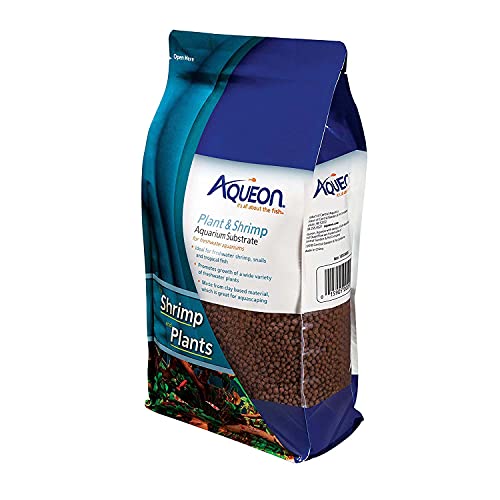
Aqueon Plant and Shrimp Aquarium Substrate is a 5‑pound bag of premium clay‑based soil designed to give your freshwater community a thriving, natural foundation. The spherical granules hold their shape over time, providing a stable platform for delicate roots, shrimp, snails, and even tropical fish to explore. Because it’s made from a porous clay material, the substrate releases essential trace minerals that help stimulate robust plant growth while maintaining clear water chemistry—perfect for both beginner aquascapers and seasoned hobbyists looking to create a lush, low‑maintenance planted tank.
Pros
- Versatile habitat – Supports a wide range of freshwater plants, shrimp, snails, and tropical fish, making it a one‑stop solution for mixed‑species tanks.
- Promotes plant health – Clay composition slowly releases nutrients, encouraging faster, greener growth without the need for frequent fertilizer dosing.
- Durable structure – Spherical granules retain their shape, preventing substrate collapse and reducing the need for re‑leveling as the tank matures.
Cons
- Weight – At 5 lb, the bag is relatively heavy, which may require two people to lift safely.
- Initial cloudiness – Like many clay substrates, the water may become slightly cloudy during the first few days as particles settle; a short water change can clear this up.
1. Aqua Natural Galaxy Sand for Aquariums

Aqua Natural Galaxy Sand Bio‑Substrate brings the power of a fully cycled aquarium right to the bottom of your tank. This 5 lb sand is pre‑seeded with live, bio‑active nitrifying bacteria that jump‑start the nitrogen cycle, eliminating the long waiting period usually required for beneficial colonies to develop. The fine, natural‑looking grains provide a stable substrate for rooted plants, encouraging healthy root growth while maintaining clear water chemistry. Because the bacteria are already active, you’ll see a rapid drop in ammonia and nitrite levels, giving your fish a safer environment from day one. The sand’s mineral composition also supports plant nutrition, making it an ideal choice for both planted and community tanks.
Pros
- Instant cycling: Live nitrifying bacteria seed the sand, so the aquarium reaches safe parameters within days.
- Plant‑friendly: Fine texture and mineral content promote vigorous root development for aquatic flora.
- Stable water quality: Ongoing bacterial activity continuously breaks down waste, reducing the need for frequent water changes.
Cons
- Initial cost: Pre‑seeded bio‑substrate is priced higher than plain sand, though the time saved on cycling often offsets this.
- Handling care: The live bacteria can be sensitive to extreme temperature swings; avoid storing the sand in very hot or cold conditions before use.
Buying Guide
When selecting the best substrate for a betta fish, focus on water quality, the fish’s comfort, and the visual appeal of the tank. A good substrate supports healthy behavior while keeping maintenance simple.
- Material safety: Choose an inert, non‑toxic substrate such as aquarium‑grade sand or fine gravel that won’t leach chemicals into the water.
- Grain size and texture: Opt for fine, smooth sand or small‑grain media that mimics the betta’s natural floor and prevents fin nicks.
- Effect on water parameters: Make sure the substrate does not dramatically shift pH or hardness; neutral options are safest for bettas.
- Plant compatibility and décor: Select a substrate that can anchor live plants or décor while remaining easy to vacuum for maintenance.
- Cost, durability, and reviews: Compare price per volume, durability, and user reviews to ensure good value and long‑term performance.
By evaluating these criteria, you can choose a substrate that keeps your betta healthy, simplifies tank upkeep, and enhances the overall aesthetics of your aquarium.
Frequently Asked Questions
What type of substrate is safest for a betta fish?
A smooth, inert substrate such as fine sand or a fine‑grained, rounded gravel (no sharp edges) is safest. These materials won’t damage the betta’s delicate fins and allow the fish to rest comfortably on the bottom.
Should I use a planted substrate for my betta’s tank?
If you want live plants, a nutrient‑rich planted substrate can be beneficial, but it should be covered with a thin layer of sand or fine gravel to protect the betta’s fins. Alternatively, you can use a soil‑free substrate (e.g., eco‑soil) and add a mesh barrier beneath the decorative layer.
How deep should the substrate be in a betta aquarium?
A depth of 1–2 inches (2.5–5 cm) is sufficient. This provides enough surface for beneficial bacteria to colonize and, if you have plants, allows roots to anchor without creating excessive buildup that could affect water quality.
Conclusion
Choosing the right substrate for your betta is about more than aesthetics; it directly influences water quality, plant growth, and your fish’s comfort. Natural, inert options that are easy to clean help maintain stable parameters while providing a gentle surface for the betta to explore. Avoid sharp or overly rough materials that could damage delicate fins, and consider the tank’s overall design to ensure adequate space for swimming and hiding. By prioritising safety, stability, and a natural look, you create an environment where your betta can thrive, display its vibrant colors, and exhibit natural behaviors with confidence.