
When your feline friend’s eyes turn red, watery, or crusty, it’s not just an adorable “cat‑look” – it can signal a painful infection that, if left untreated, may threaten vision and overall health. Selecting the right eye drops is crucial because the wrong formula can irritate delicate tissues, delay healing, or even cause harmful side effects, while the proper medication can soothe discomfort, clear up inflammation, and restore clear sight quickly. In this post we’ve sifted through veterinary recommendations, ingredient lists, and user experiences to bring you the top five eye‑drop products that consistently deliver safe, effective relief for cat eye infections. Read on to discover which options earned our seal of approval.
5 Top-Rated Eye Drops for Cat Eye Infections – Our Picks
We’ve researched veterinary recommendations and pet owner reviews to bring you the most effective, safe, and affordable options.
5. Wellix Pet Eye Drops

Wellix PET Eye Drops are a gentle, daily‑use solution designed to keep your dog’s or cat’s eyes clear, comfortable, and bright. The formula blends cod liver oil, vitamin B6, blueberry and honeysuckle extracts—ingredients known for their soothing and antioxidant properties—so it not only removes tear stains and smudges but also helps calm irritation from allergies, infections, or foreign bodies. Because the drops contain no alcohol or harsh chemicals, they’re safe for regular use and won’t sting sensitive eyes.
The innovative nozzle delivers each drop with pinpoint accuracy, reducing waste and protecting your pet from accidental splashes. Whether you’re at home or on a walk, the compact 60 ml bottle fits easily into a bag, making quick eye‑cleansing a breeze. Trusted by veterinarians and formulated to strict standards, these drops provide a reliable, natural way to maintain optimal eye health for both cats and dogs.
Pros
- All‑natural, non‑irritating formula – cod liver oil, vitamin B6, and botanical extracts soothe and protect without alcohol.
- Precise, leak‑proof nozzle – ensures every drop lands where it’s needed, minimizing mess and stress for the pet.
- Versatile daily care – effectively removes tear stains, eases itching, and supports recovery from mild infections.
Cons
- May be less effective for severe bacterial or fungal eye infections that require prescription medication.
- The 60 ml bottle, while portable, may need frequent replacement for multi‑pet households.
4. VivaElixir Pet Eye Health, 0.35 oz
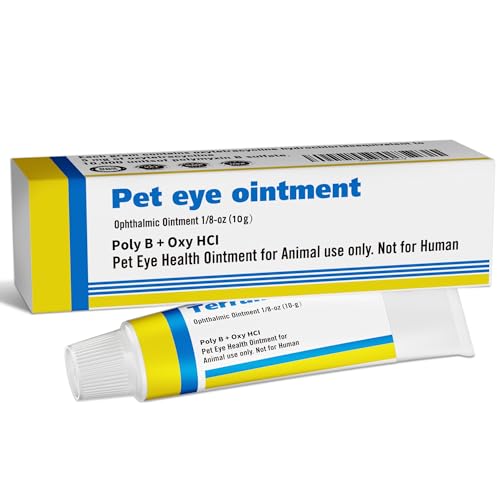
VivaElixir Pet Eye Health is a gentle, topical eye‑care solution formulated for a wide range of animals—from dogs, cats, puppies, and kittens to livestock such as cattle, sheep, horses, and even birds. Packaged in a convenient 0.35 oz (10 g) tube, it’s designed for easy, mess‑free application: simply use a clean finger to dab the product into the affected eye 2–4 times daily, as needed. The label displays the manufacturing date rather than an expiration date, guaranteeing freshness for up to two years from the date of production. If the result isn’t what you expected, VivaElixir’s Fresh Product Promise ensures you’ll receive responsive support and a resolution.
Pros
- Versatile use across species – one tube covers dogs, cats, livestock, and birds, simplifying inventory for multi‑pet households or farms.
- Simple, finger‑application – no special tools required; just a clean finger and a few drops.
- Freshness guarantee – the “made‑on” date ensures the formula is potent for two years, with a hassle‑free satisfaction promise.
Cons
- Topical only – must be applied directly to the eye, which can be challenging with nervous or uncooperative animals.
- Limited to external eye issues – not intended for systemic eye conditions; veterinary consultation may still be needed for deeper problems.
3. Cassiel Pet Eye Drops

Cassiel Pet Eye Drops are a gentle, plant‑based solution designed to treat eye infections, soothe allergies, relieve dryness and redness, and act as an eye cleaner and tear‑stain remover for both dogs and cats. The 10 ml (0.33 fl oz) bottle packs a blend of artificial musk, gentian tablets, borneol, aloe, chrysanthemum and cassia seed—ingredients known for their soothing, anti‑inflammatory and moisturizing properties. Under normal conditions, noticeable improvement appears after just three days of consistent use, and the natural formulation ensures it’s safe for daily application.
How to use
– Initial phase: 2 drops in each eye, twice daily for 15 days.
– Maintenance: From day 16, reduce to once daily; if the eye looks fully recovered, switch to every other day.
The drops keep your pet’s eyes bright, hydrated and comfortable, protecting them from environmental irritants and reducing the need for harsher chemical treatments.
Pros
- Fast‑acting natural formula: Significant results often visible within three days.
- Multi‑purpose: Treats infection, allergy, dryness, redness, and removes tear stains in one product.
- Gentle on sensitive eyes: Plant extracts are non‑irritating and safe for long‑term use.
Cons
- Requires a commitment: Full benefits need a 15‑day initial regimen, which may be longer than some owners expect.
- Small bottle size: At 10 ml, frequent users may need to purchase more often.
2. Curicyn Dog Eye Drops 3oz

Curicyn Pink Eye Solution (3 oz) is a fast‑acting, gel‑based eye wash designed for dogs, cats, horses, cattle, goats and other livestock. Formulated with 96 % purified anolyte, it delivers a non‑toxic, pH‑balanced solution that soothes irritation and helps resolve conjunctivitis in just 1‑3 days. The sterile gel spreads easily over the ocular surface, ensuring good contact for maximum efficacy, and can be reapplied after a couple of days if needed. Made in the USA under strict quality‑control standards, this steroid‑free formula is safe to use near the mouth and nose, making it ideal for both companion animals and farm animals alike.
The extra‑strength blend works quickly to reduce redness, discharge, and swelling, giving pets and livestock relief without the harsh side effects of traditional antibiotics or steroids. Its painless administration means you can treat eye infections without causing additional stress to the animal.
Pros
- Rapid relief: noticeable improvement in eye irritation within 1‑3 days.
- Broad‑spectrum: effective for dogs, cats, horses, cows, goats, and other livestock.
- Safe & gentle: non‑irritating, steroid‑free, and pH‑balanced for use around mouth and nose.
Cons
- Requires liberal application; a small amount may be needed to fully coat the eye.
- Not a substitute for veterinary care in severe or chronic eye conditions—consult a vet if symptoms persist.
1. HICC PET Eye Gel
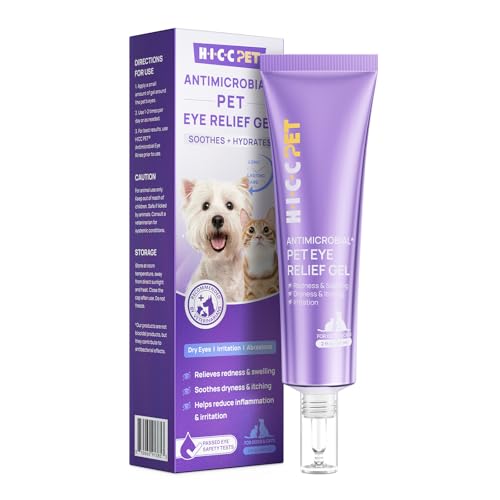
HICC PET Dog Eye Gel is a vet‑recommended, HOCl‑based eye care solution that soothes irritation, moisturizes dry eyes, and supports infection treatment for dogs, cats, and even horses. The gel’s balanced viscosity lets it stay where it’s needed, delivering longer‑lasting relief than traditional drops or ointments. Its natural anti‑inflammatory blend reduces redness, swelling, and tear‑stain buildup while gently cleaning conjunctivitis and minor abrasions. Packaged in a soft‑tube with a dropper tip, the gel applies mess‑free—just a gentle squeeze and a light massage are all that’s required. Because the formula is non‑toxic, non‑rinsing, and safe if licked, it’s ideal for daily eye hygiene across all ages and species, and it meets high veterinary safety standards.
Pros
- Long‑lasting, targeted relief – Viscous gel stays in place for better absorption than drops or creams.
- Natural, HOCl technology – Non‑toxic, hypo‑allergenic, and safe to lick, providing a gentle alternative to chemical eye drops.
- Vet‑formulated & easy to apply – Developed by veterinarians, comes in a mess‑free soft tube with a dropper tip for quick, precise treatment.
Cons
- May be slightly more expensive per ounce than basic saline drops.
- Requires a short massage after application, which some owners might find time‑consuming.
Buying Guide
When choosing eye drops for a cat’s eye infection, prioritize safety, efficacy, and ease of administration to ensure quick relief and prevent complications.
- Active ingredient and veterinary approval – Look for drops containing proven antibiotics or anti‑inflammatory agents that are specifically labeled for feline use and approved by a veterinarian.
- Formulation type – Choose sterile, preservative‑free solutions for cats with sensitivities, or opt for preservative‑containing drops if longer shelf life is needed.
- Ease of application – Look for a dropper or spray tip that allows precise dosing without stressing the cat, and check that the bottle is easy to grip.
- Safety profile – Verify that the product is free from harmful additives, has a low irritation risk, and includes clear dosage instructions for different cat sizes.
- Cost and reviews – Compare price per milliliter and read veterinarian‑endorsed reviews to gauge overall value and real‑world effectiveness.
By weighing these factors, you can select eye drops that safely clear the infection while keeping your cat comfortable and happy.
Frequently Asked Questions
What type of eye drops are safest for treating a cat’s eye infection?
Answer: For most bacterial or mild viral eye infections, a veterinarian‑prescribed antibiotic ophthalmic solution (e.g., chloramphenicol, tobramycin, or ofloxacin) is the safest choice. These drops are sterile, have a low risk of irritation, and are formulated specifically for feline ocular tissues. Avoid over‑the‑counter human drops unless a vet explicitly recommends them, as preservatives and pH levels can harm a cat’s delicate eye.
How often should I apply the eye drops, and for how long?
Answer: Follow the vet’s instructions, but a typical regimen is 1–2 drops in the affected eye(s) every 4–6 hours for the first 2–3 days, then taper to once or twice daily until the eye looks clear and the discharge stops. Most infections resolve within 7–10 days; if symptoms persist longer, contact your veterinarian for a re‑evaluation.
Can I use natural or home‑remedy eye drops for my cat’s infection?
Answer: While saline solution (sterile 0.9% NaCl) can be used only to flush out debris, it does not treat the underlying infection. Herbal or over‑the‑counter human eye drops may contain ingredients toxic to cats (e.g., certain preservatives, vasoconstrictors). Always consult a vet before using any non‑prescription product to avoid worsening the infection or causing additional eye damage.
Conclusion
When it comes to treating a cat’s eye infection, the most important steps are early detection, proper veterinary guidance, and choosing a formulation that is both safe and effective for feline use. Opt for drops that are preservative‑free, have a suitable pH balance, and are specifically labeled for cats to minimize irritation. Consistent administration according to the prescribed schedule, along with maintaining a clean environment, will greatly enhance healing and prevent recurrence. Remember that while over‑the‑counter options can be helpful, they should never replace a professional diagnosis, as underlying conditions may require targeted therapy beyond simple lubricants or antibiotics.